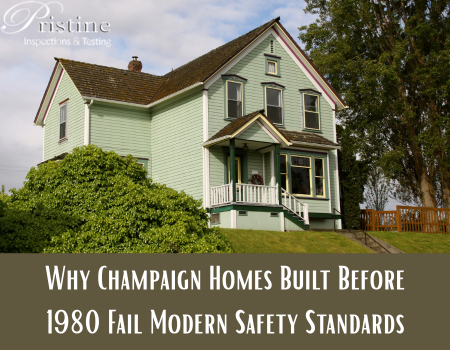
Champaign is known for its established neighborhoods, mature trees, and beautiful homes. Many houses built before 1980 offer great levels of charm and solid craftsmanship, but they also come with different hidden challenges. Over time, standards have evolved, and older homes often fall short of today’s safety standards. Wiring limitations, poor ventilation, and structural aging are some of the most common reasons these homes struggle to meet modern safety standards.
Identifying and understanding these issues can help homeowners make informed decisions about upgrades and long term maintenance.
Outdated Wiring Was Not Built for Modern Life
Outdated electrical wiring is one of the most significant safety concerns in pre-1980 Champaign homes. Many of these houses were built when electrical demand was far lower than what is obtainable today, and at the time, a few outlets per room and minimal appliance use were considered sufficient.
One problem with older wiring systems is that they often lack grounding, which is an important feature for protecting people and electronics from electrical faults. Some homes still rely on outdated breaker panels or even fuse boxes that are no longer considered safe by current standards. Over time, wiring insulation can become brittle, and thus increasing the risk of overheating and electrical fires.
Homeowners may notice warning signs such as flickering lights, warm outlets, or frequently tripped breakers. These symptoms indicate that the system is under strain. While the wiring may still function, it is often operating beyond its intended capacity.
Ventilation Systems Are Often Inadequate
Ventilation is another area where older Champaign homes commonly . Many houses built before 1980 were designed to breathe naturally through small gaps and drafty construction. While this worked decades ago, it does not align with modern safety or comfort standards.
Poor ventilation can lead to moisture buildup, which encourages mold growth and degrades building materials. In kitchens and bathrooms, insufficient ventilation allows humidity and pollutants to linger, affecting indoor air quality.
Heating systems in older homes may also lack proper exhaust pathways. This can create a risk of carbon monoxide buildup, especially if equipment has been updated without improving ventilation. Modern safety standards place a strong emphasis on controlled airflow, which many older homes simply do not have.
Structural Aging Creates Hidden Risks
Even well built homes experience wear over time. In Champaign, decades of seasonal temperature changes, moisture exposure, and settling can weaken structural components.
Foundations may develop cracks that allow water intrusion or reduce stability. Wooden framing can warp or deteriorate, particularly in areas exposed to moisture. Roof structures may sag or lose integrity, increasing the risk of collapse during heavy snow or storms.
Structural aging also affects staircases, railings, and load bearing walls. Features that once met safety expectations may no longer provide adequate support or protection. These issues are often hidden behind finished surfaces, making them easy to overlook until a renovation or inspection reveals them.
Building Codes Have Changed for a Reason
Modern safety standards are based on decades of research and real world incidents. Electrical codes now require safer wiring methods, ground fault protection, and higher capacity systems. Ventilation standards aim to protect indoor air quality and reduce fire and carbon monoxide risks. Structural codes account for long term durability and environmental stress.
Homes built before 1980 were not designed with these advancements in mind. While they may have been safe at the time, they do not automatically meet today’s expectations. This does not mean they are unsafe by default, but it does mean they require careful evaluation and targeted upgrades.
The Risk of Complacency
Many homeowners assume that if a house has stood for decades, it must be safe. This sense of comfort can delay necessary improvements. Unfortunately, safety risks often develop slowly and quietly.
Electrical systems degrade gradually, ventilation problems build over years, structural weaknesses worsen with time, and by the time symptoms become obvious, repairs are often more extensive and expensive.
Upgrading for Safety and Peace of Mind
Addressing safety gaps in older Champaign homes does not require a full rebuild. Strategic upgrades can dramatically improve safety and performance, updating wiring and panels reduces fire risks, improving ventilation protects indoor air quality, and reinforcing structural elements preserves the integrity of the home.
Professional inspections are a critical first step. Licensed electricians, HVAC professionals, and structural specialists can identify issues that homeowners may miss.
Respecting the Past While Protecting the Future
Champaign’s older homes are an important part of the community’s character. Preserving their charm does not mean ignoring their limitations. Wiring, ventilation, and structural aging are common reasons these homes fail modern safety standards, but they are also areas where meaningful improvements can be made.
When homeowners understand the risks and invest in thoughtful upgrades, they can enjoy the beauty of older homes while ensuring they meet the safety expectations of today.